
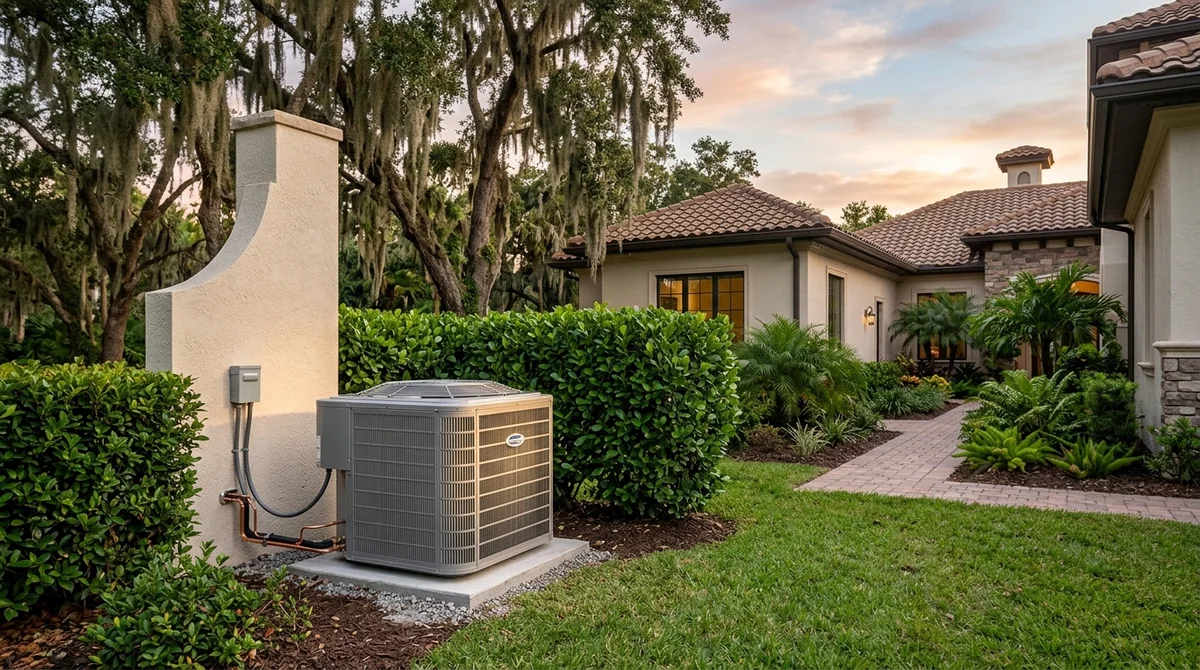
Why Sizing and SEER2 Matter
A new system is the biggest comfort decision a homeowner makes, and in a climate where the AC runs most of the year, sizing it right matters more than the brand on the box. A/C Now installs and replaces high-efficiency systems across the Treasure Coast and northern Palm Beach County, matching equipment to your actual home instead of a rule of thumb.
Cooling load isn't uniform across this region — a block home near the water in Jensen Beach gains and sheds heat differently than a two-story in Palm Beach Gardens or a ranch in Fort Pierce. We size the system to your home before we quote, so you're not paying to over-cool or fighting hot rooms after the install. With long, humid summers this far south, right-sized high-SEER2 equipment is what protects both your comfort and your power bill — and we handle permitting and haul-away so the changeover stays clean.
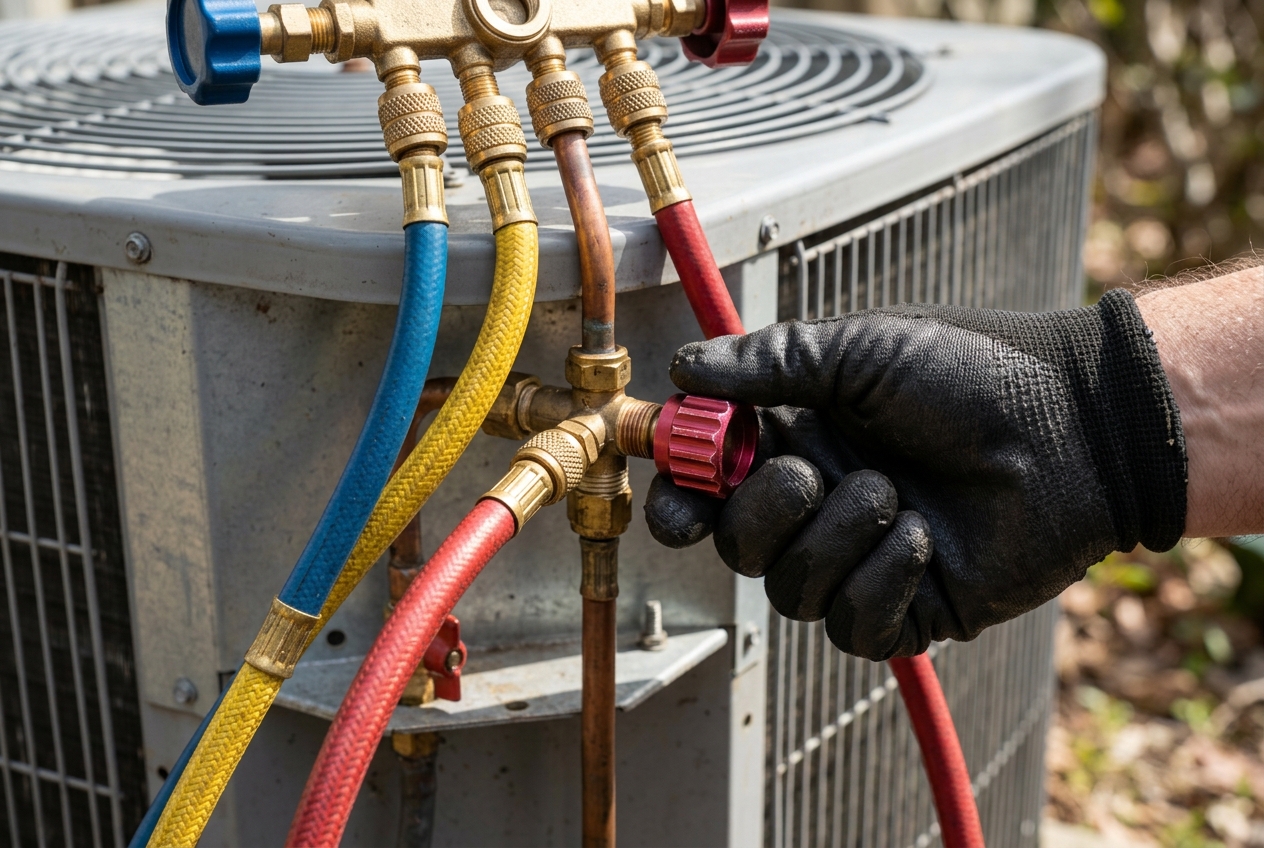
Professional Installation Protocols
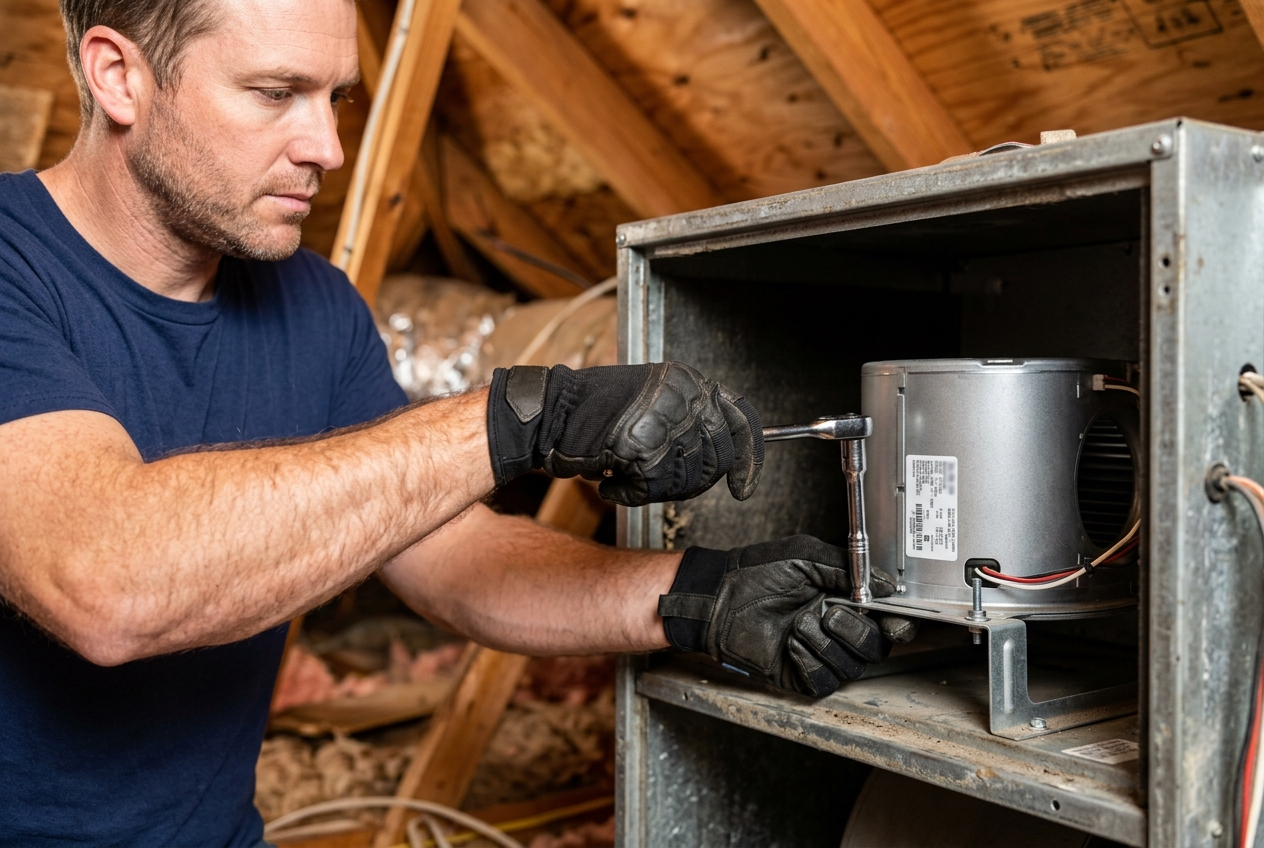
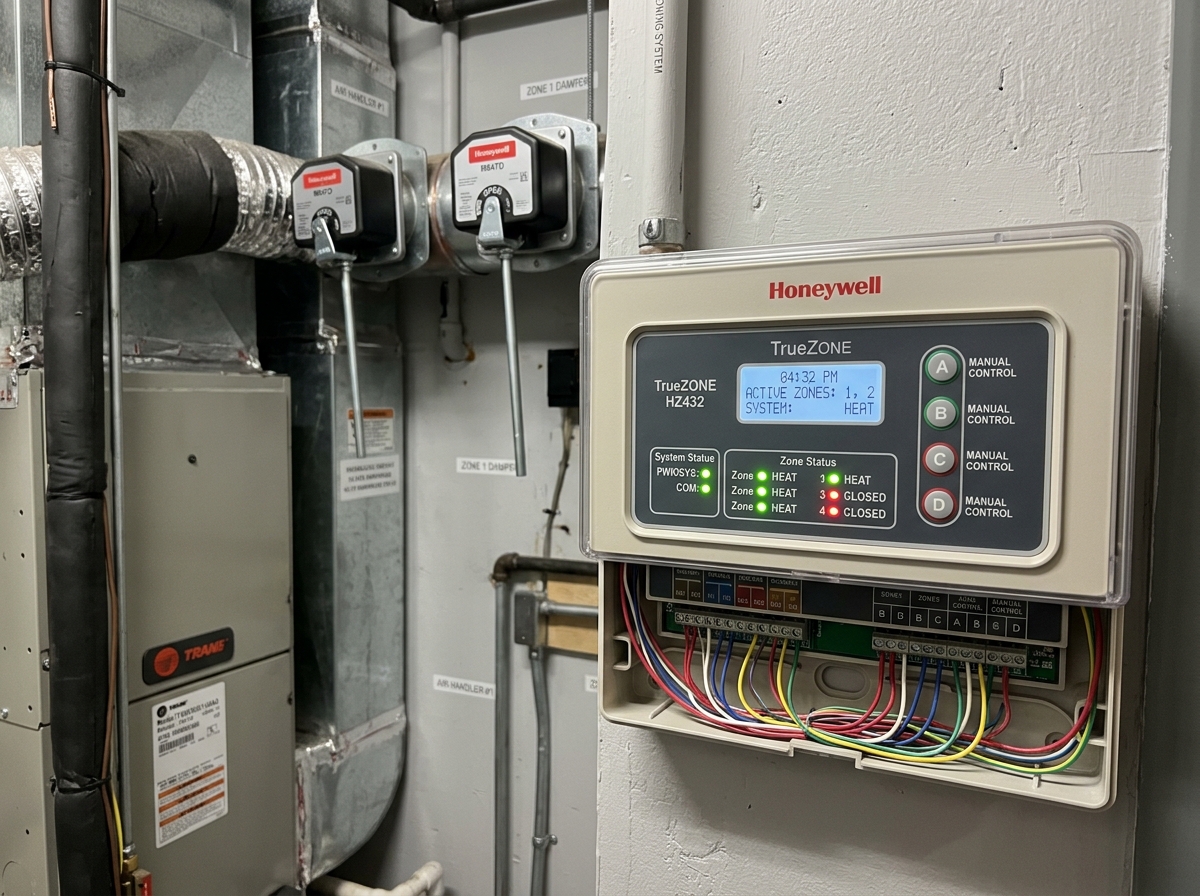
10-Year Parts Warranty
Every new HVAC installation includes a 10-year manufacturer warranty on parts (with standard registration within 60 days of install).
Request Your Free Estimate Today
Ready to upgrade your home comfort? Submit your details to request a free, upfront estimate for your AC installation. Prefer to talk it through? Our phones are answered 8 AM–7 PM daily.
Ductless Mini-Split Installation in Hobe Sound
When a Hobe Sound cottage or guest house sits lightly used for much of the year, the head it needs is often smaller than the square footage suggests. An oversized unit hits its setpoint in minutes, shuts off, and leaves the room cool but damp, which is the last thing you want in a building nobody opens up daily. Sizing to the measured load, not the floor area, is what avoids it.
The drain deserves more attention here than in a house someone lives in. A head that spends most of its life at low output still makes condensate, and a slow or blocked line in an empty building can go unnoticed for weeks. Whoever checks on the property should know where the drain exits and that the head's filter needs a regular wash.
HVAC Equipment & Environmental Factors in Hobe Sound, FL
Installing a new system in Hobe Sound means matching the equipment to the property, and properties here differ a lot from one another. A shaded, wooded lot near Jonathan Dickinson State Park asks something different of an air conditioner than a home near the Intracoastal off Gomez Avenue or Bridge Road, or a house on Jupiter Island facing the ocean. One standard package rarely fits all of them.
Quiet is part of the brief on a Hobe Sound property. Where homes sit farther apart and the evenings are still, a condenser kicking on at full speed is easy to hear. Variable-speed and inverter-driven outdoor units spend much of their time at low speed, which generally makes them quieter than single-stage equipment, and manufacturers publish a sound rating in decibels for each model. Comparing those ratings, and placing the unit away from bedrooms and the neighbor's patio, does more for a quiet yard than any single feature.
🌧️ Climate Reality Check: High Water Table & Humidity Control
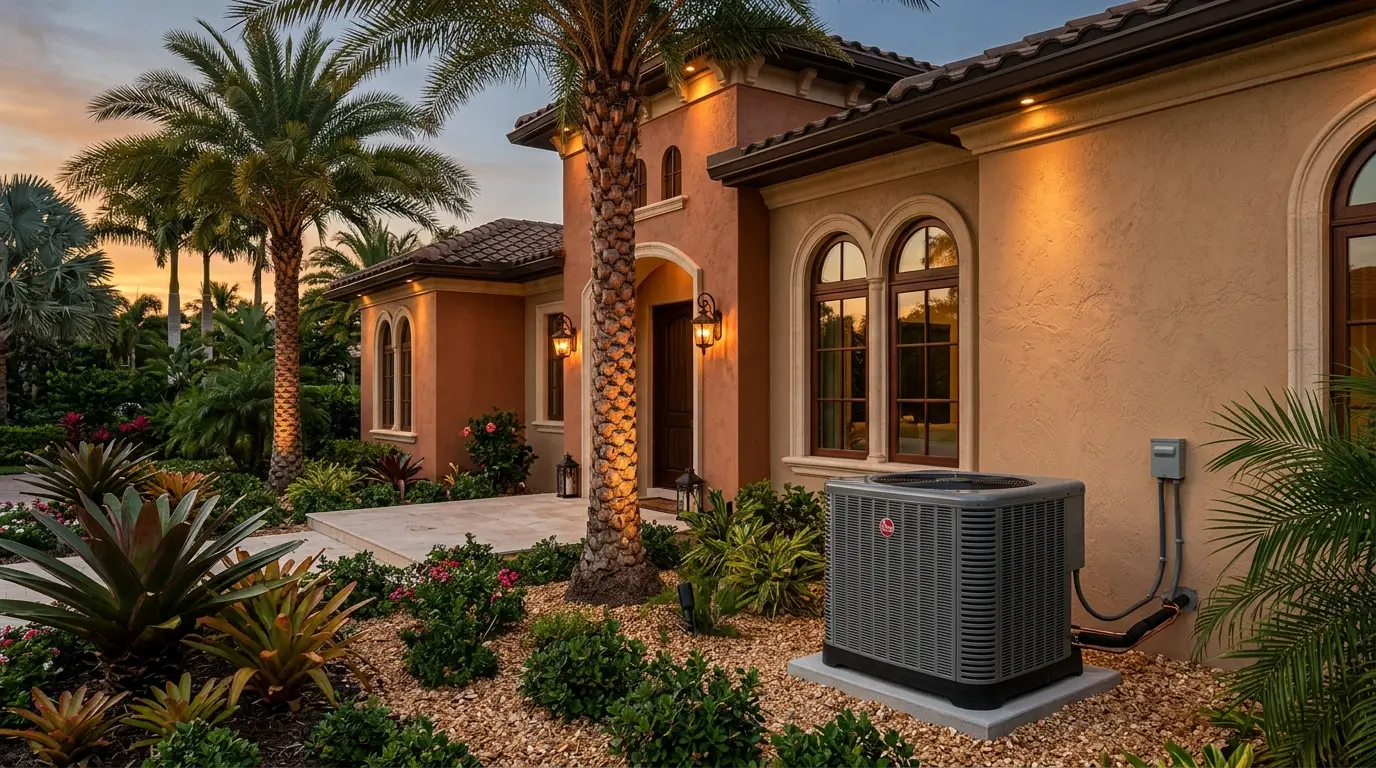
Long, humid summers make moisture removal as important as cooling, and an oversized system that cools fast and shuts off leaves the air damp. Downpours on ground with a high water table can also leave a unit at grade standing in water; an elevated equipment stand, which A/C Now installs, lifts it clear.
Frequently Asked AC Installation Questions
Common questions about AC replacement, SEER2, warranties and permits.
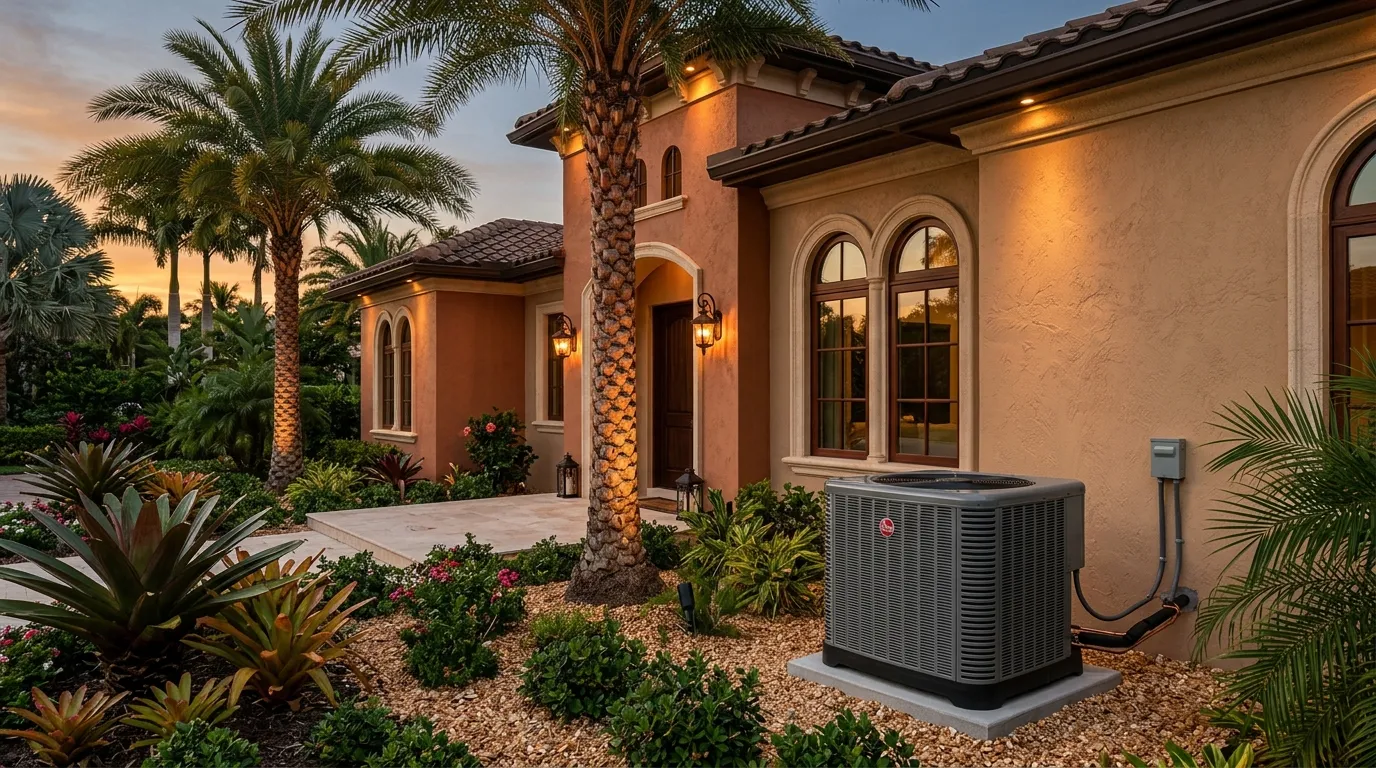
Our Hobe Sound property is wooded with a large oak canopy overhanging the condenser pad — the previous unit was always fighting pollen. What should we do differently with the replacement?
An oak canopy over a condenser is mostly a placement and cleaning problem rather than an equipment one. Pollen, catkins and leaf litter in late winter and spring settle on the coil face and choke airflow, and because most condensers blow their air straight up, branches hanging low over the top also trap hot air around the unit. If the new unit can go somewhere with more open sky, that helps most. If not, keep branches trimmed back past the overhead clearance the manufacturer lists, and have the coil rinsed once the spring drop is over. Every A/C Now tune-up includes a coil rinse, so timing a visit after pollen season clears that buildup.
My Hobe Sound home is seasonal — what equipment is best suited to periodic use?
In a closed-up house, humidity matters more than temperature. A system sized to the real load runs longer, gentler cycles that pull more moisture from the air than an oversized unit that cools fast and shuts off, and variable-speed equipment stretches those cycles further. A whole-home dehumidifier adds control while you are away, and A/C Now offers snowbird checks for seasonal homes.
How does tree cover near Jonathan Dickinson affect AC sizing in Hobe Sound?
Significant shade from mature oaks and pines reduces a home's peak cooling load compared to a fully exposed suburban lot. We factor that heavy shade into how we size the system for park-adjacent properties, which often results in a smaller, more efficient system than a same-square-footage home in an open layout would need.