
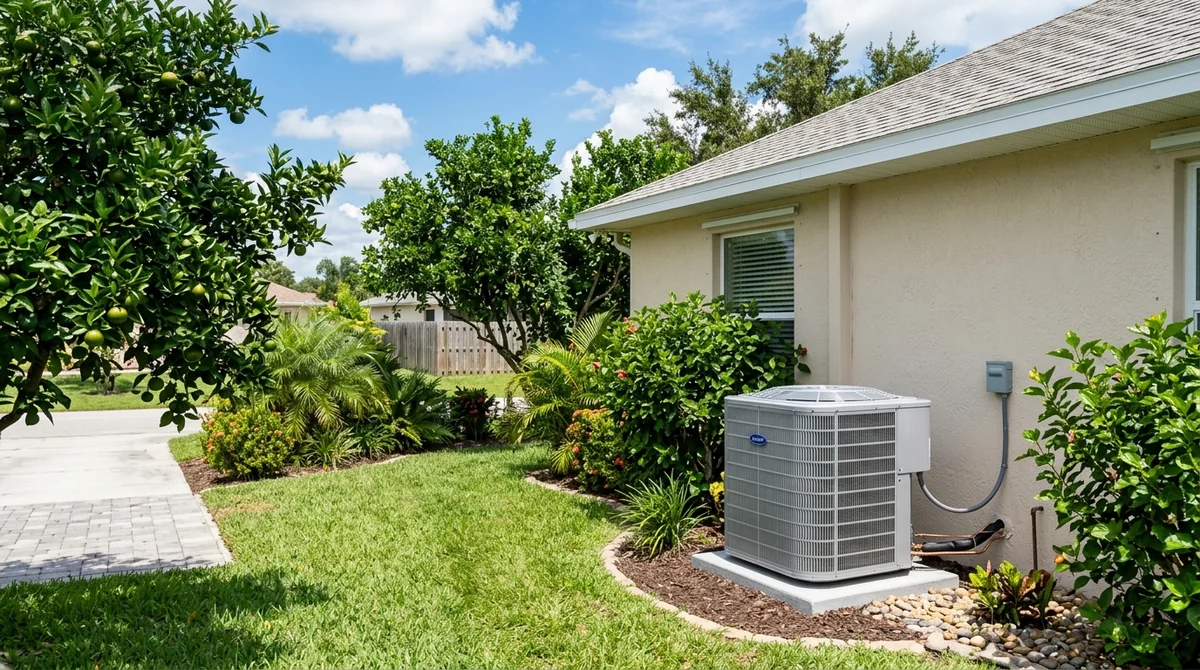
Why Sizing and SEER2 Matter
A new system is the biggest comfort decision a homeowner makes, and in a climate where the AC runs most of the year, sizing it right matters more than the brand on the box. A/C Now installs and replaces high-efficiency systems across the Treasure Coast and northern Palm Beach County, matching equipment to your actual home instead of a rule of thumb.
Cooling load isn't uniform across this region — a block home near the water in Jensen Beach gains and sheds heat differently than a two-story in Palm Beach Gardens or a ranch in Fort Pierce. We size the system to your home before we quote, so you're not paying to over-cool or fighting hot rooms after the install. With long, humid summers this far south, right-sized high-SEER2 equipment is what protects both your comfort and your power bill — and we handle permitting and haul-away so the changeover stays clean.
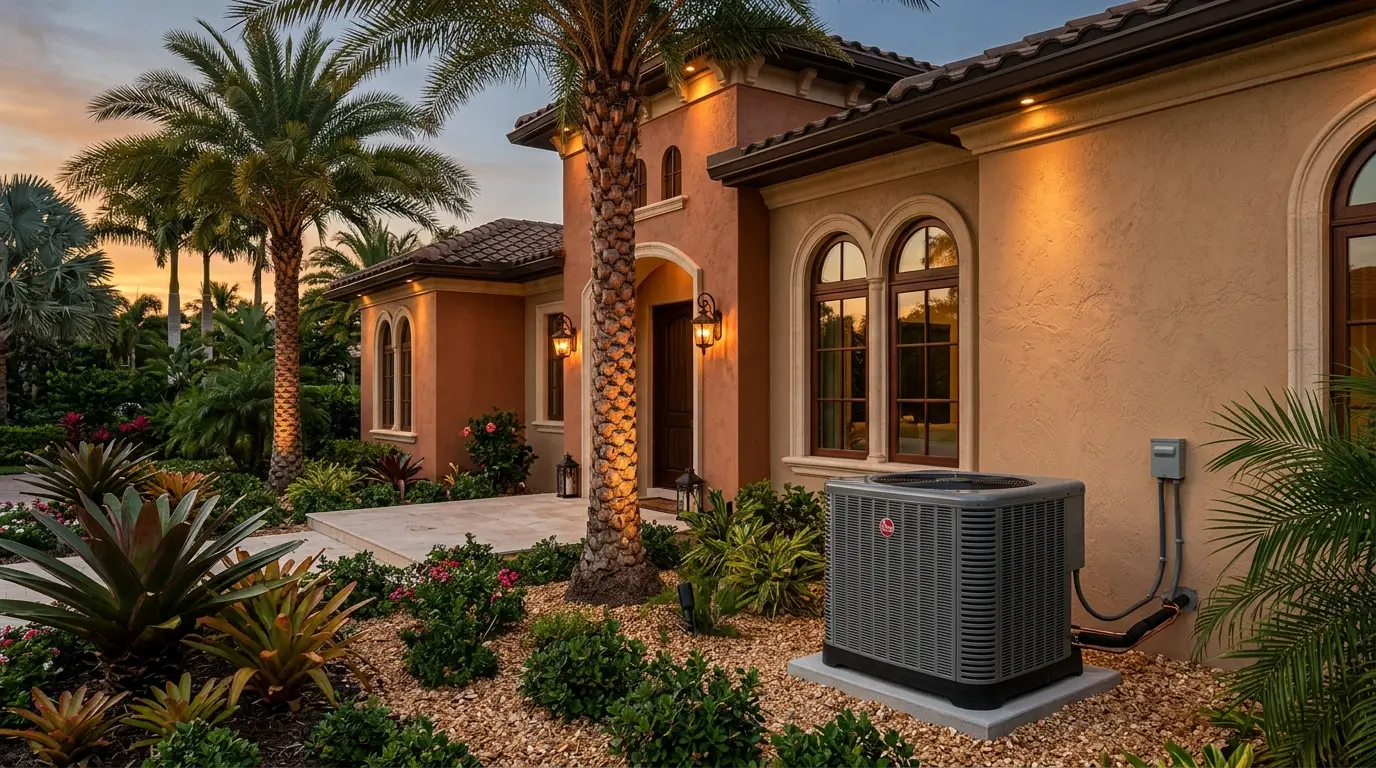
Professional Installation Protocols
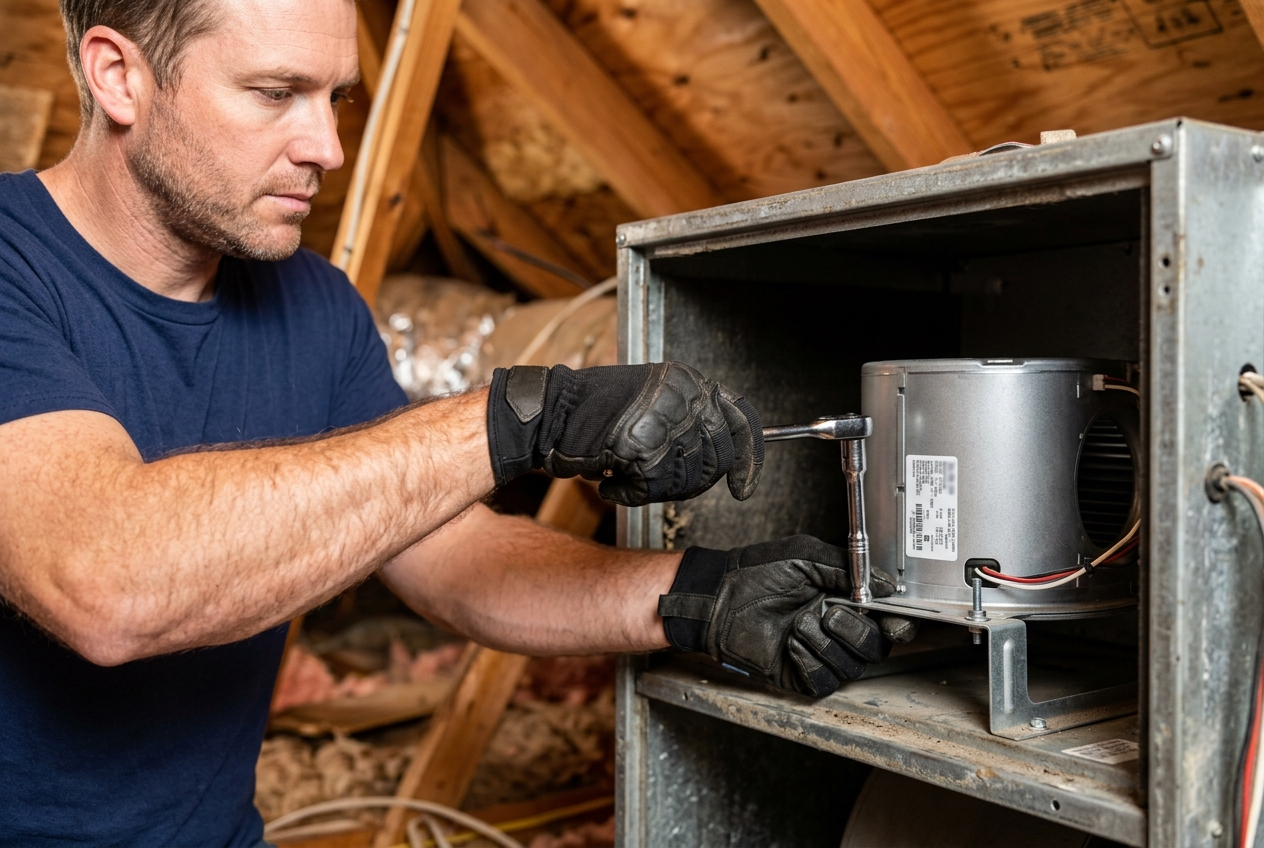
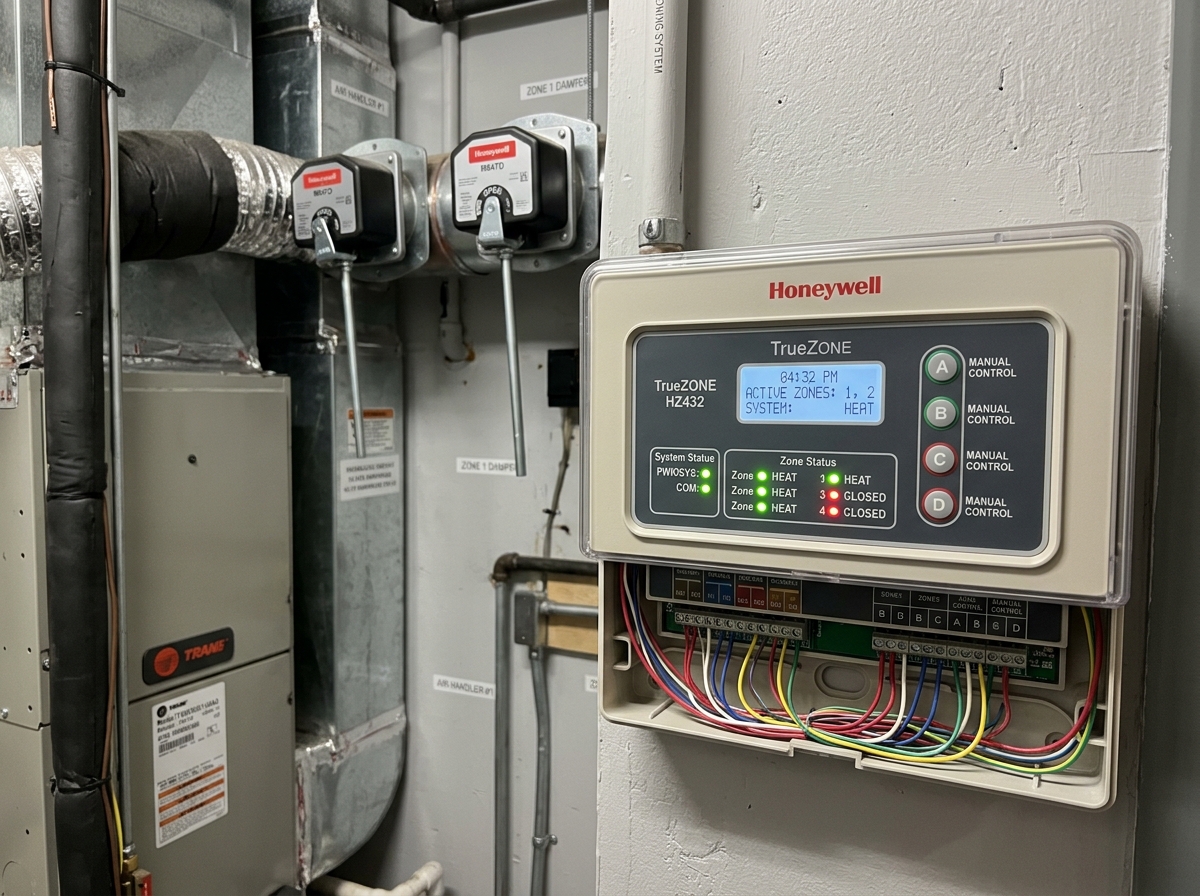
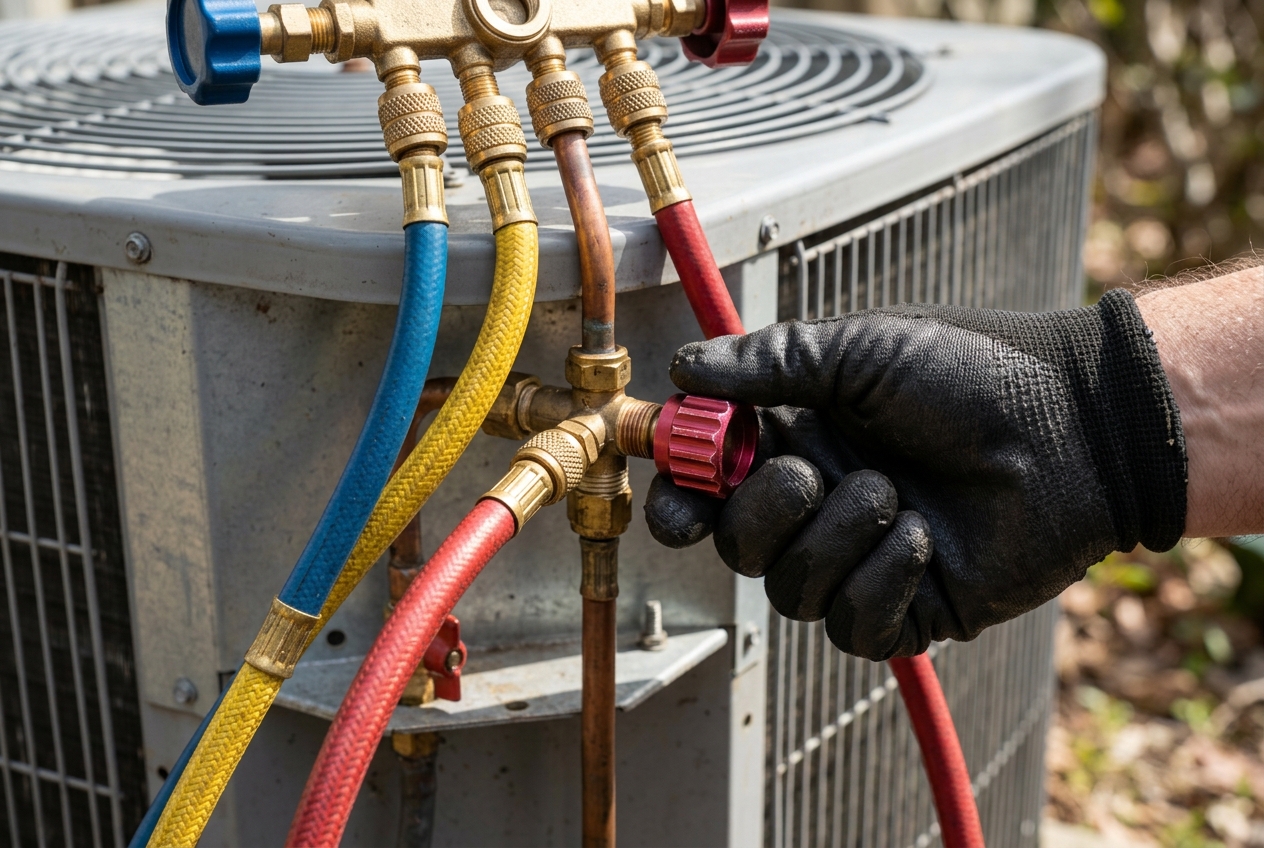
10-Year Parts Warranty
Every new HVAC installation includes a 10-year manufacturer warranty on parts (with standard registration within 60 days of install).
Request Your Free Estimate Today
Ready to upgrade your home comfort? Submit your details to request a free, upfront estimate for your AC installation. Prefer to talk it through? Our phones are answered 8 AM–7 PM daily.
Ductless Mini-Split Installation Across St. Lucie County
St. Lucie County is a big place, and a job out toward the west end of it bears little resemblance to one in town. Properties on well and septic, driveways measured in tenths of a mile, outbuildings a hundred yards behind the house. What changes on those addresses is how far the electrical run has to travel and where a disconnect may legally sit.
Sizing deserves a second look out there too. A building standing alone in open ground, unshaded, with no conditioned space against any wall, takes heat on all four sides in a way no floor-area figure captures. Capacity should come from a load calculation built on that real exposure, not from how the room happens to feel on the afternoon someone looks at it.
HVAC Equipment & Environmental Factors in St. Lucie County, FL
Unincorporated St. Lucie County takes in a wide spread of homes: older ranch-style houses, established neighborhoods around White City and Fort Pierce Farms, and newer construction along the Midway Road corridor. A house built in 1978 and a 2018 concrete block home a few miles away can carry very different cooling loads, so A/C Now sizes every replacement to the actual structure with a load calculation, not to the old equipment's nameplate.
In unincorporated St. Lucie County, a system replacement needs a permit from the county building department before work begins, and the finished installation is inspected under that permit. Addresses inside a city, such as Fort Pierce, or Tradition and St. Lucie West in Port St. Lucie, go through that city's building department instead. A/C Now pulls the permit and hauls the old equipment away. Inspection timing depends on the department's schedule, so if your start date matters, for a move-in or a rental turnover, mention it when you book.
🌧️ Climate Reality Check: High Water Table & Humidity Control
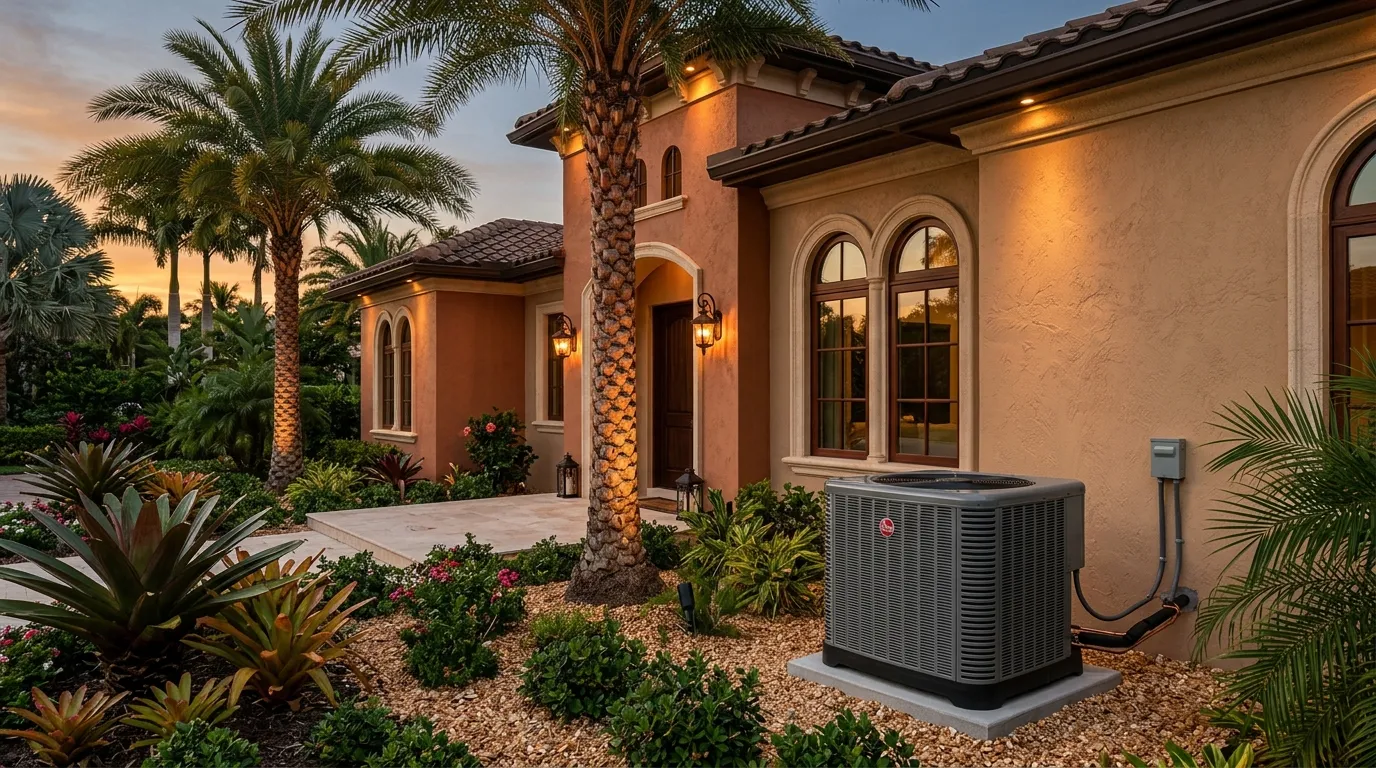
Long, humid summers make moisture removal as important as cooling, and an oversized system that cools fast and shuts off leaves the air damp. Downpours on ground with a high water table can also leave a unit at grade standing in water; an elevated equipment stand, which A/C Now installs, lifts it clear.
Homes built during the 2000s are now old enough that a system still running its original equipment faces the repair-or-replace question after a major failure, and a flat-rate repair quote set beside a free replacement estimate makes that call clearer. If your community has an architectural review board, check whether an equipment change needs its approval before the work is scheduled. On Hutchinson Island and around the Fort Pierce Inlet, salt air is hardest on outdoor equipment: factory-coated coils and stainless hardware are worth asking about, a regular fresh-water rinse of the outdoor coil helps, and hurricane tie-down straps or a raised equipment stand, both of which A/C Now installs, can be added to an estimate on request.
Frequently Asked AC Installation Questions
Common questions about AC replacement, SEER2, warranties and permits.
We're in an unincorporated St. Lucie County neighborhood built in the 1980s — what's the realistic difference in installation scope versus a newer home?
Usually more to check before the new system goes in. The existing ductwork may not suit the new equipment, the electrical circuit may need updating to match it, and an original refrigerant line set may be the wrong size for current equipment. Those are the things to settle at the estimate, which is free, so you know the full scope before any work starts.
Does replacing HVAC in an unincorporated St. Lucie County property trigger any other code requirements I should know about?
A replacement needs a mechanical permit, and the county building department decides whether anything beyond the mechanical work needs review, for example when the electrical service is out of date or the equipment is moving to a new spot. One common issue: homes built in the late 1960s through the mid-1970s may have aluminum branch wiring, which needs connectors rated for aluminum where it meets the equipment, so mention your home's age when you book.
Does A/C Now LLC handle the building permit process?
Yes. We handle the entire local municipal permitting process for your new AC installation. The state of Florida requires building permits and inspections for all HVAC changeouts to ensure safety, structural wind load limits, and code compliance. We file permits in municipalities from Palm Beach Gardens and Jupiter to Stuart and Port St. Lucie, and coordinate inspections.