
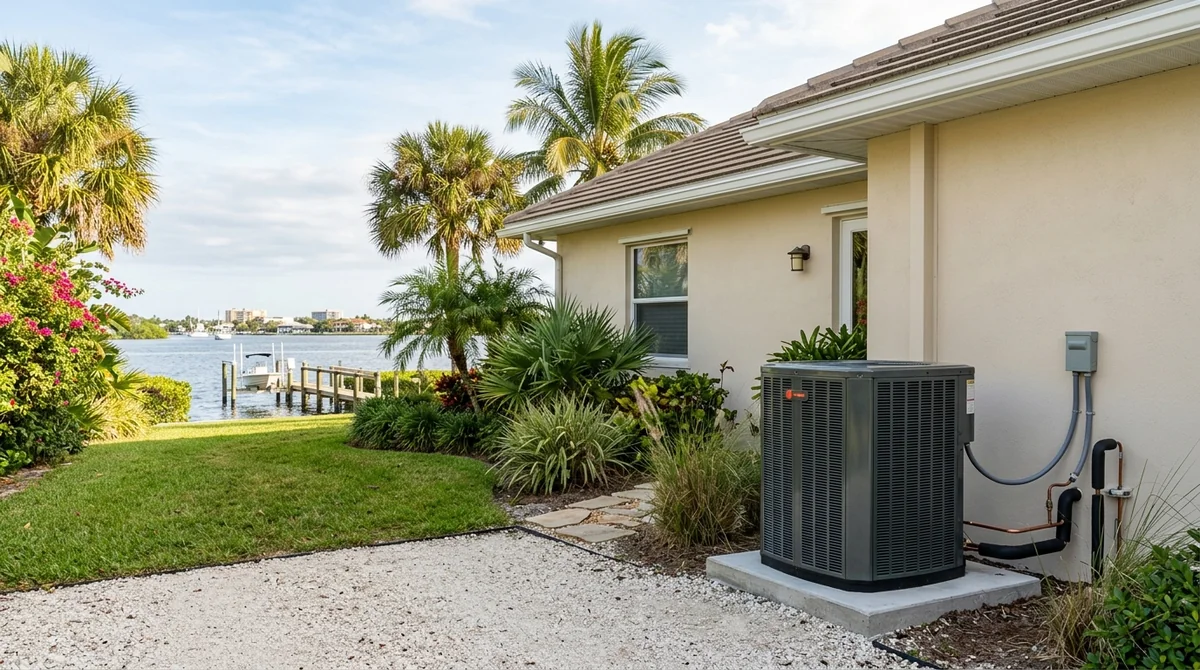
Why Sizing and SEER2 Matter
A new system is the biggest comfort decision a homeowner makes, and in a climate where the AC runs most of the year, sizing it right matters more than the brand on the box. A/C Now installs and replaces high-efficiency systems across the Treasure Coast and northern Palm Beach County, matching equipment to your actual home instead of a rule of thumb.
Cooling load isn't uniform across this region — a block home near the water in Jensen Beach gains and sheds heat differently than a two-story in Palm Beach Gardens or a ranch in Fort Pierce. We size the system to your home before we quote, so you're not paying to over-cool or fighting hot rooms after the install. With long, humid summers this far south, right-sized high-SEER2 equipment is what protects both your comfort and your power bill — and we handle permitting and haul-away so the changeover stays clean.
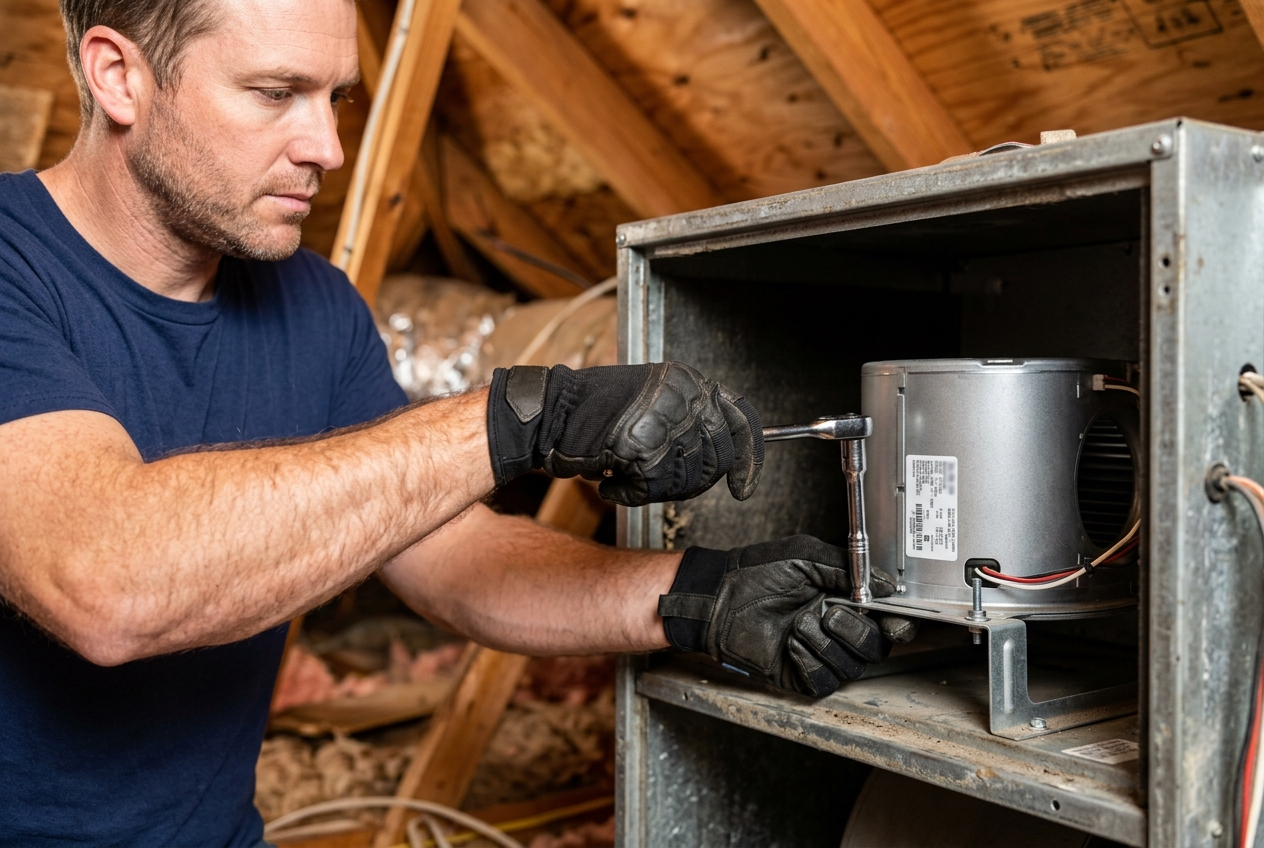
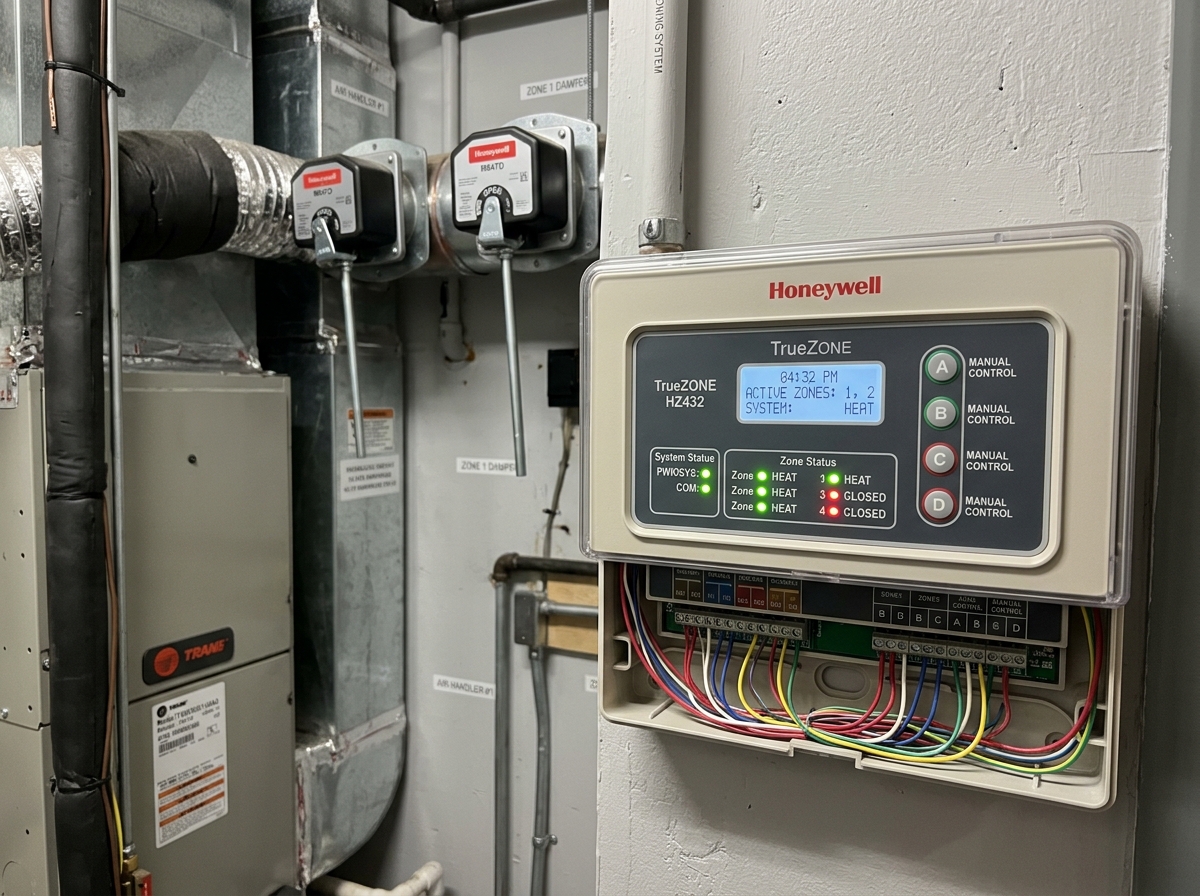
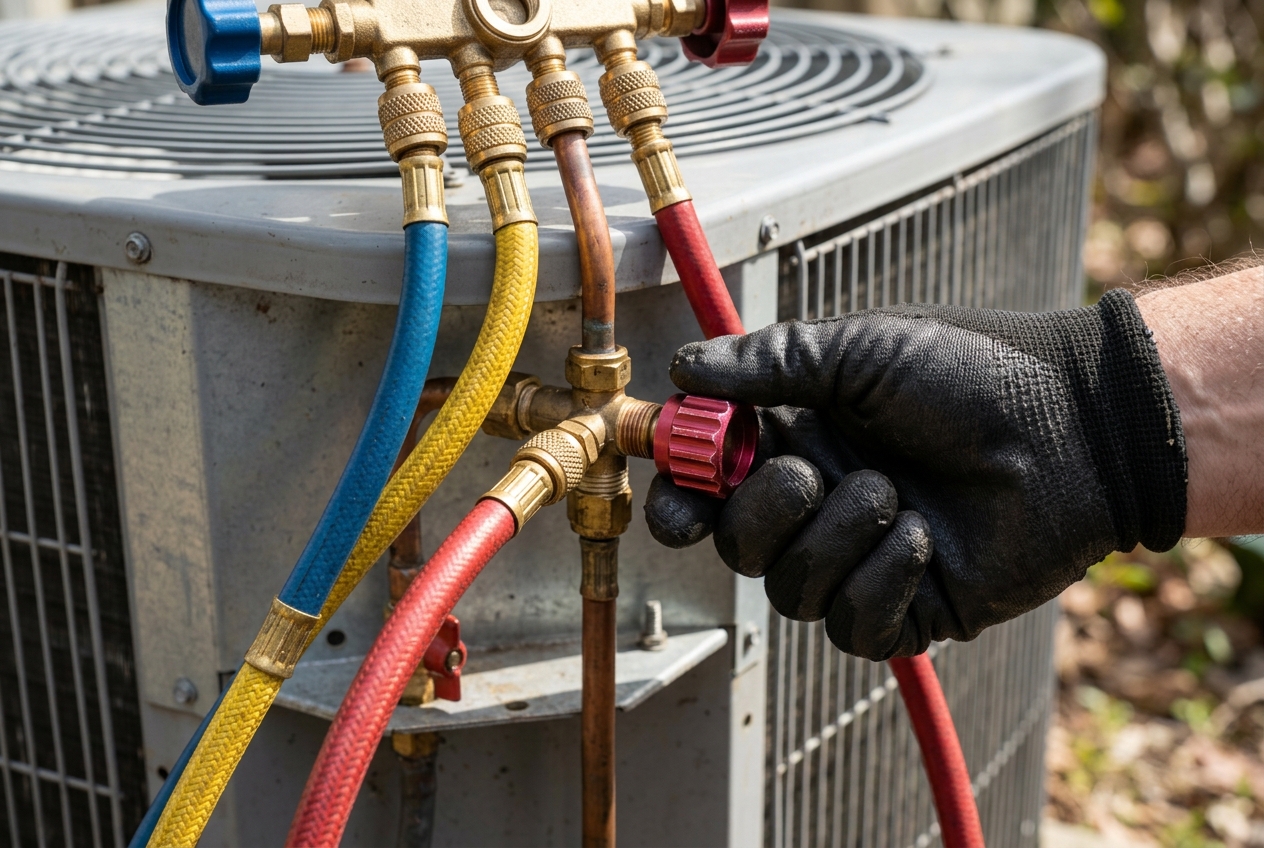
Professional Installation Protocols
10-Year Parts Warranty
Every new HVAC installation includes a 10-year manufacturer warranty on parts (with standard registration within 60 days of install).
Request Your Free Estimate Today
Ready to upgrade your home comfort? Submit your details to request a free, upfront estimate for your AC installation. Prefer to talk it through? Our phones are answered 8 AM–7 PM daily.
Ductless Mini-Split Installation in Stuart
A wall head needs a three-inch hole and nothing else inside the room, which is the whole appeal in Stuart: the finished surfaces you paid for stay finished. Outside is where the thinking goes. On a house already renovated once the obvious pipe route is usually the wrong one, and the right one turns out to be a rear or side wall in a channel painted to the trim color, or an existing soffit return where the building has one.
Head height and throw get set so nobody is sitting in the airflow. And wherever the fall allows it, the drain runs to daylight under gravity — no pump, one fewer component to fail in a house that may stand empty for months at a stretch.
HVAC Equipment & Environmental Factors in Stuart, FL
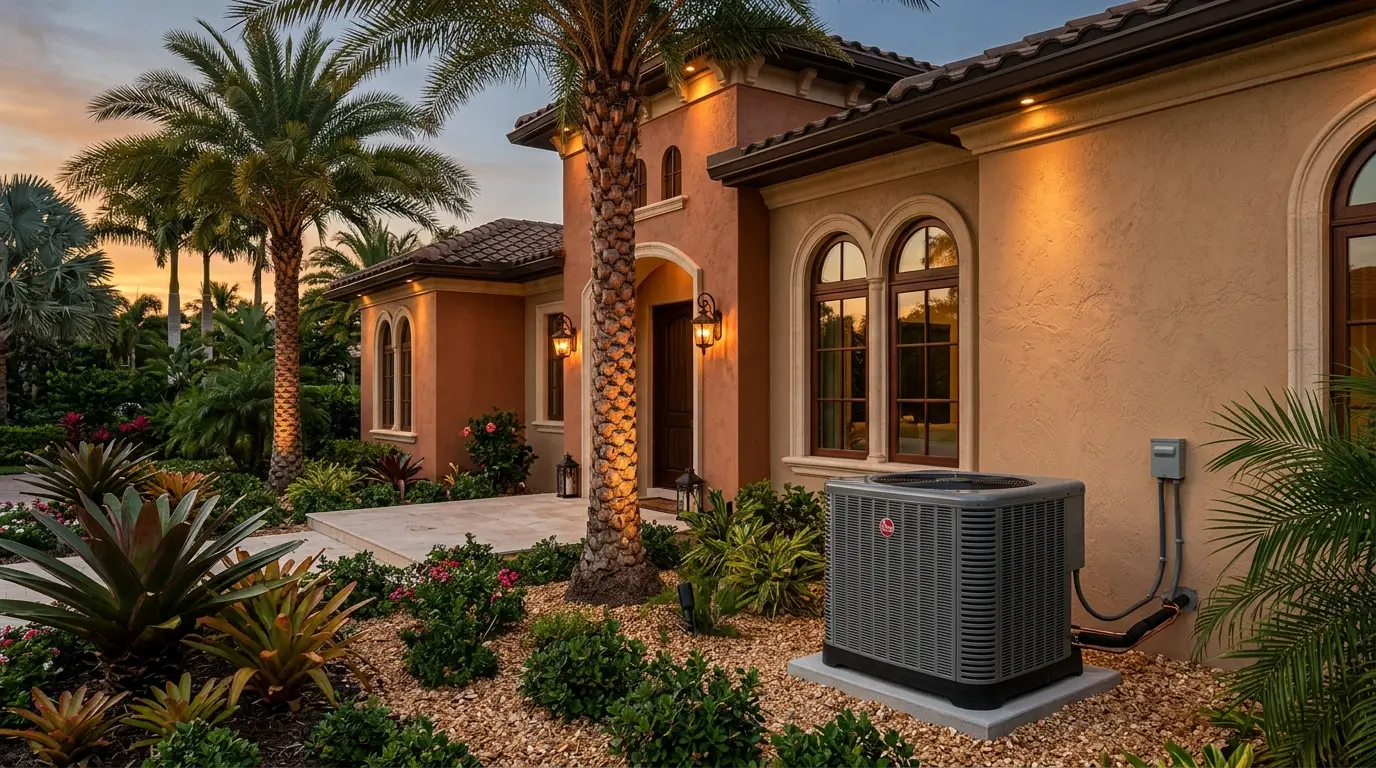
Replacing a system in Stuart is a coastal decision as much as a comfort one. With the St. Lucie River, the Indian River Lagoon and the Atlantic all close by, what you install matters as much as what size you install, and the closer the home is to salt water, the more the outdoor unit has to stand up to.
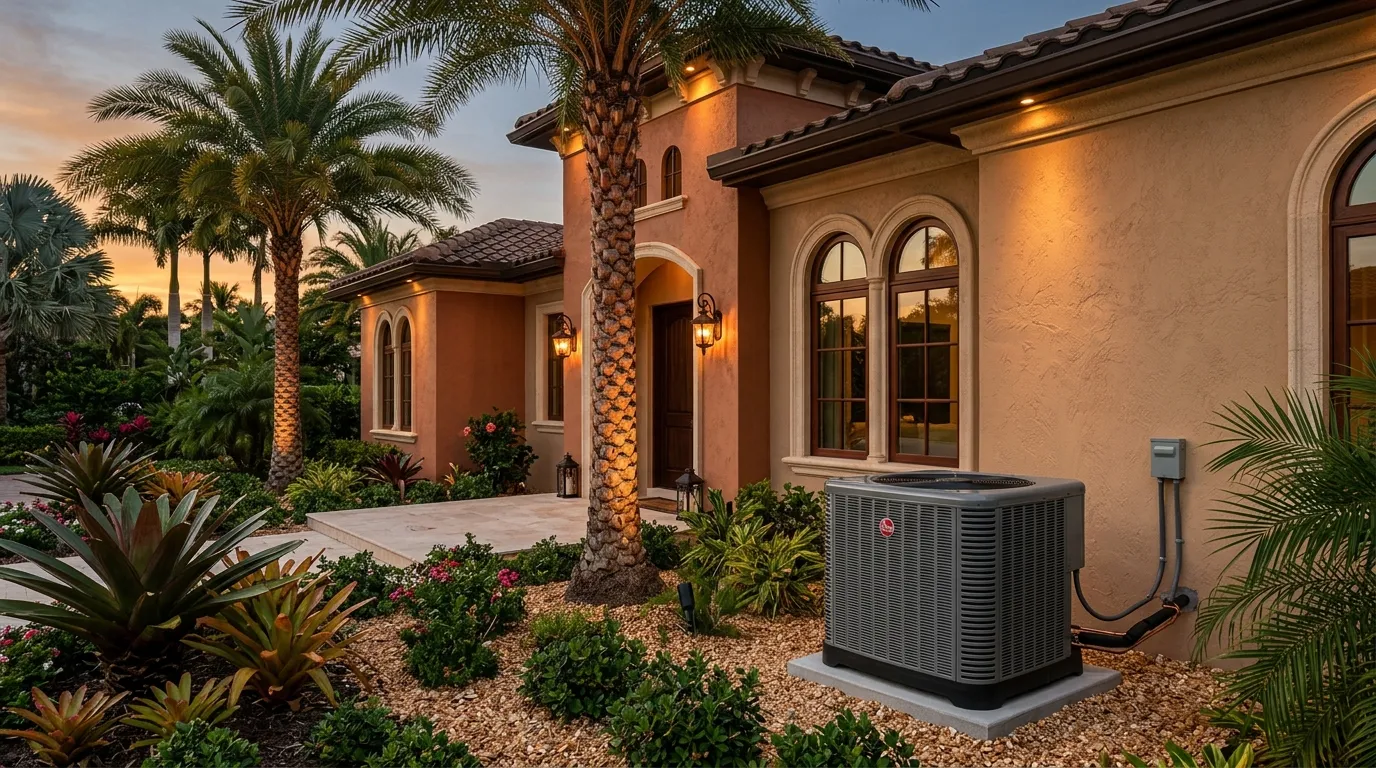
Near the water, the protection that matters is on the outdoor unit, because that is where salt air lands; the indoor coil is largely sheltered from it. Factory-coated condenser coils, corrosion-resistant cabinet finishes and stainless exterior screws are available from many manufacturers, and on a waterfront lot they can be worth the extra cost. On a home well back from the water, standard equipment may serve just as well, so let the home's real exposure decide.
🌊 Climate Reality Check: Coastal Salt-Air Defense
Salt carried in on the sea breeze settles on outdoor coils, fasteners and cabinets and slowly corrodes them. Rinsing the outdoor coil with fresh water helps, and coated coils and stainless hardware are worth asking about when a unit is replaced.
Frequently Asked AC Installation Questions
Common questions about AC replacement, SEER2, warranties and permits.
What equipment brands perform best in Stuart's waterfront environment?
No brand is immune to salt air, so the features matter more than the badge. Look for a factory-applied coating or other corrosion protection on the outdoor coil, a durable cabinet finish and stainless or coated hardware, which several major manufacturers offer on some models. Then keep the coil rinsed with fresh water. A waterfront home and a downtown block house a few streets inland rarely need the same thing.
Does Stuart's age and lot size affect what systems can be installed?
It can. An older home, in the Rio area or around historic downtown for example, may have tighter mechanical access, a smaller electrical panel or ductwork running somewhere other than the attic. Those things change the scope of the job, so the estimate should reflect what is actually at the house, and the new system is sized to the home rather than to the old unit.
We're near the water in Stuart — does the outdoor unit need special anchoring, and will it hold up in a named storm?
Florida's building code sets wind requirements for outdoor equipment, and near the water those matter. A/C Now installs hurricane tie-down straps and elevated equipment stands, which help keep a condenser from shifting in high wind and lift the coil and electrical connections above standing water on low or near-shore lots. They are not included free with every installation, so ask what your property calls for and what it adds to your estimate. No setup can promise a unit will come through every storm, but a secured, raised unit is far less likely to shift or sit in water.