
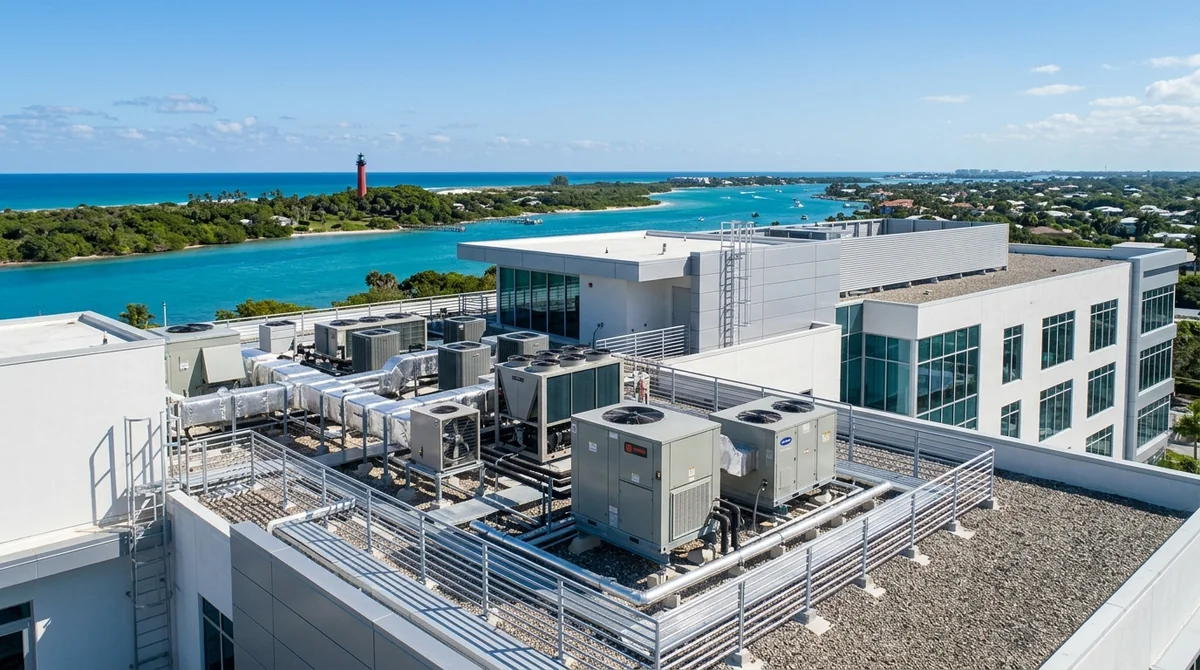
Commercial Repairs & Maintenance Agreements
For a business across northern Palm Beach County, losing cooling on a busy afternoon costs customers and staff time. A/C Now is a licensed, family-owned contractor that uses no subcontractors. Every repair is quoted at a flat rate before any work begins, and maintenance agreements are available to keep your equipment on a regular service schedule.
- Flat-Rate Repairs and Preventive Maintenance
- Multi-Zone Coastal Air Handler Upgrades
- Licensed Commercial Rooftop Package Installs
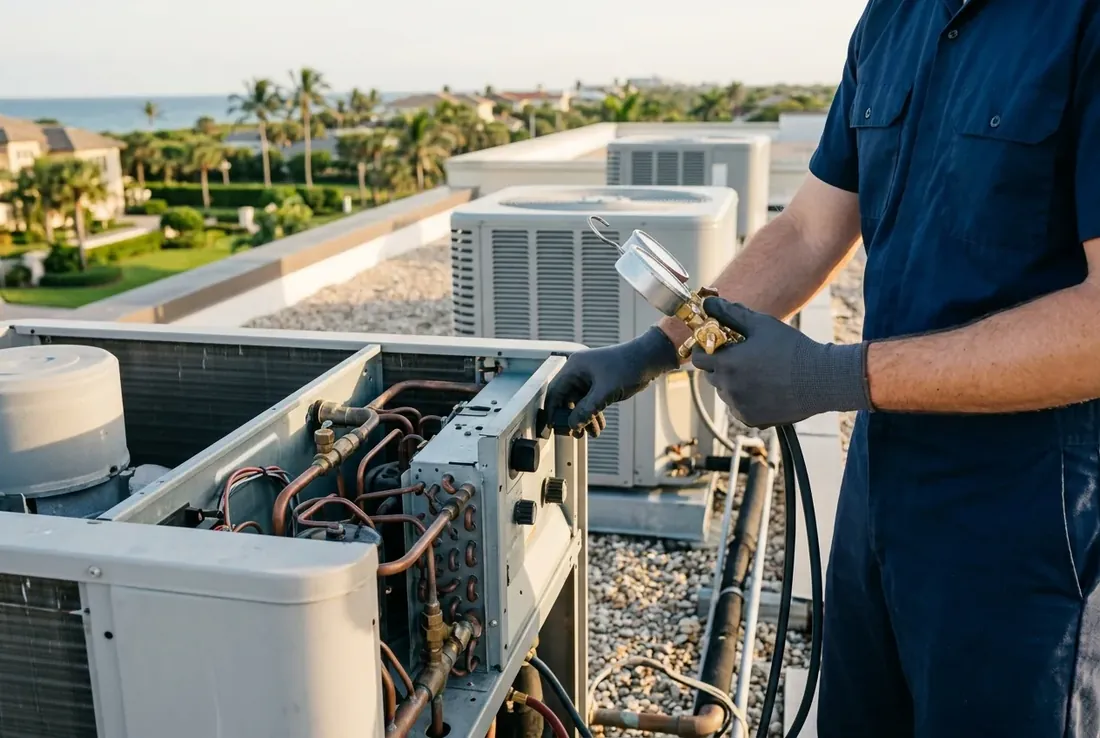
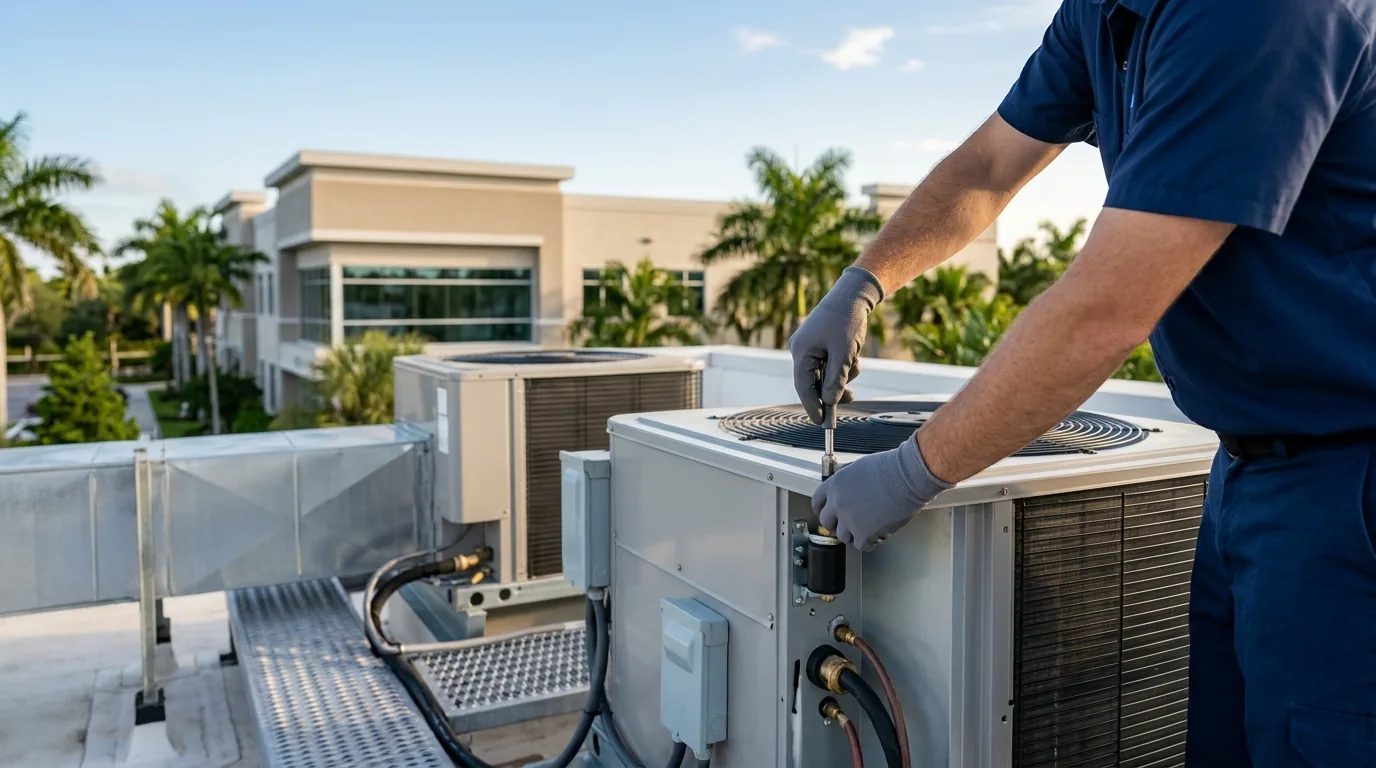
Rooftop Package & Split System Cooling
Commercial rooftop units and split systems need correct load matching, protection for coils exposed to salt air, and regular preventive maintenance to keep a business running through the summer without an unplanned shutdown.
Request a Commercial QuoteDirect Team Accountability
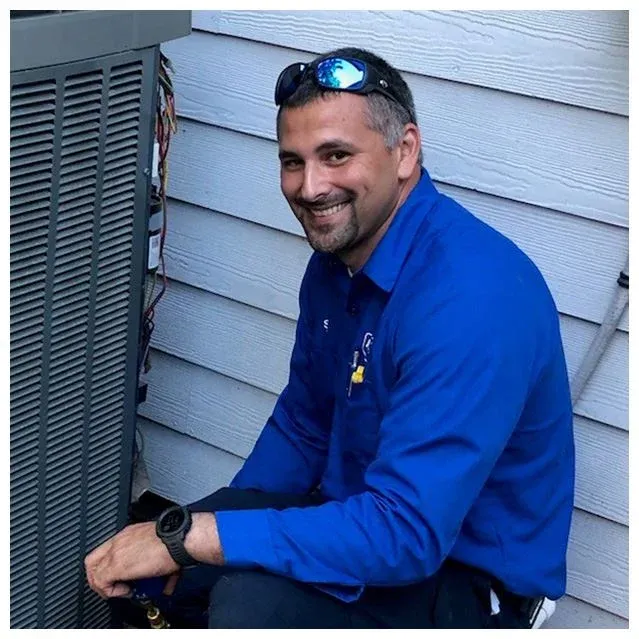
Commercial work is done by A/C Now's own team, never subcontracted.
Request a Commercial Quote
Fill out the form below and the A/C Now team will get back to you about your commercial property and its cooling needs.
Multi-Zone Ductless for Jupiter Businesses
The back room of a Jupiter shop that closes for weeks in the slow season, where stock sits until business picks up again, is judged on humidity as much as temperature. A system sized for temperature alone will reach its setpoint, shut down early and leave the moisture where it was, and the first sign is a musty smell or damp stock when the doors reopen.
So that room gets a zone of its own, sized on latent load as well as sensible and held at a vacant setpoint while the rest of the building sits at its own, with an inverter head that can run at low output for hours at a time; long, slow running takes more water out of the air than a machine that cycles on and off. The real test is not the thermostat on the wall but whoever unlocks the door after three weeks away.
HVAC Equipment & Environmental Factors in Jupiter, FL
Jupiter's commercial buildings run from light retail along Indiantown Road to professional offices in Abacoa to restaurants on the inlet. Mechanically they have little in common: a multi-story office with zoned air handling and building controls poses different problems from a waterfront restaurant whose rooftop unit sits in salt air every day. Each deserves to be looked at on its own terms, because an approach that suits one of them will shortchange another.
Close to the Jupiter Inlet, salt carried on the wind settles on outdoor equipment, and a standard condenser can corrode well ahead of the life it would see inland. When a unit near the water is replaced, ask about corrosion-resistant options: a factory protective coating on the condenser coil, stainless or coated cabinet hardware, and electrical parts sealed against moisture. Between replacements, washing the salt off the outdoor coil with fresh water and keeping the fins clear are among the simplest ways an owner can protect the equipment.
🌊 Climate Reality Check: Coastal Salt-Air Defense
Salt carried in on the sea breeze settles on outdoor coils, fasteners and cabinets and slowly corrodes them. Rinsing the outdoor coil with fresh water helps, and coated coils and stainless hardware are worth asking about when a unit is replaced.
Frequently Asked Commercial HVAC Questions
Common questions about package units, rooftop service and budgeting.
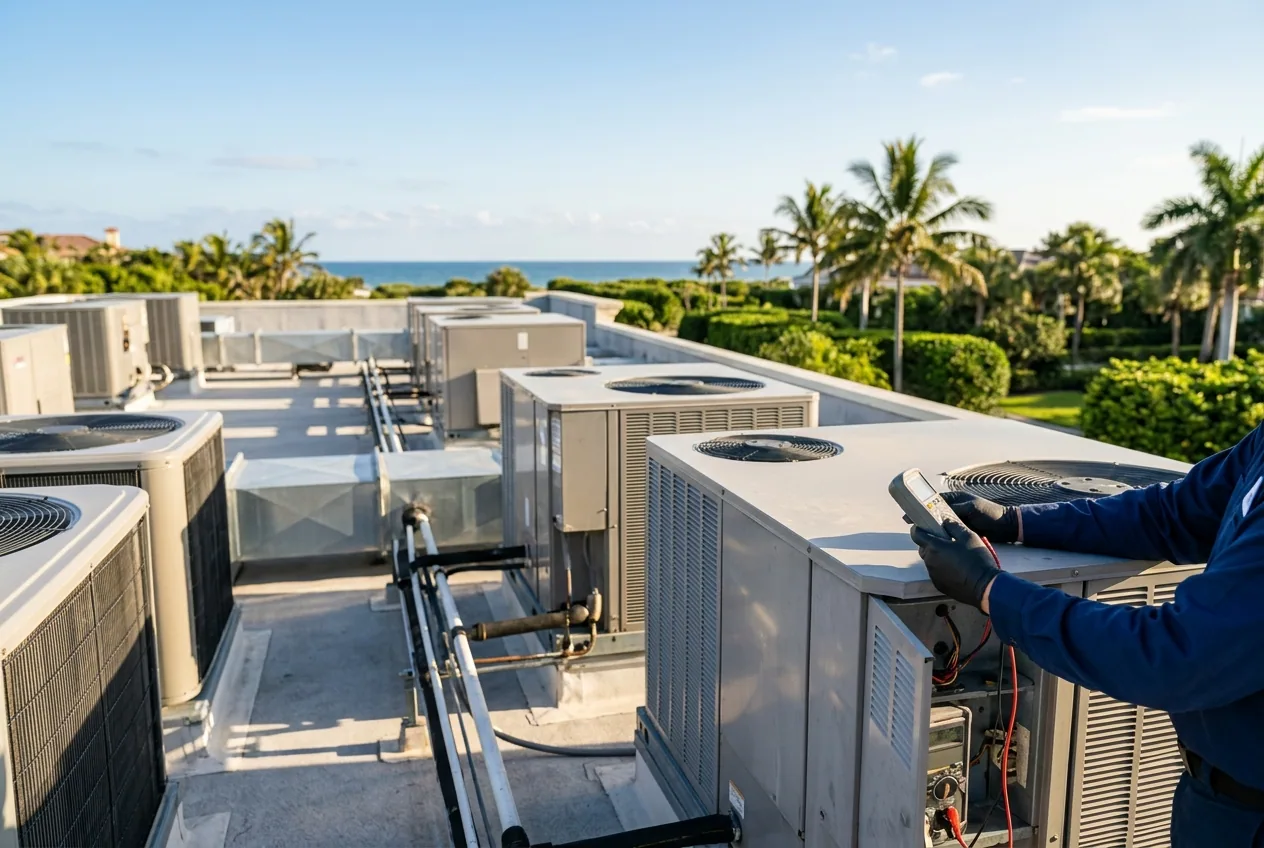
A packaged rooftop unit serving an Abacoa office building shuts down on high discharge pressure within minutes of starting on summer afternoons. Is that more likely a refrigerant problem or a controls problem?
A high-pressure trip on a hot afternoon usually points first to the condenser side: the unit cannot reject heat fast enough, so head pressure climbs until the high-pressure switch opens. Near the coast, salt and debris packed into the outdoor coil fins are common culprits, along with a weak condenser fan motor or a failing fan capacitor. An overcharge from refrigerant added without measuring produces the same symptom. Check the coil, the fan and the charge before suspecting the controls.
A condenser at a waterfront restaurant on the Jupiter Inlet is corroding through after only a few years. What should the owner look for in the replacement?
Early coil failure is common right on the inlet, where salt spray never really lets up. For the replacement, ask about a factory-applied protective coating on the condenser coil, cabinet hardware that resists rust, and a location that keeps the unit out of direct spray where the site allows it. Be cautious with all-aluminum microchannel coils this close to salt water, since they can pit and are hard to repair in the field. Whatever goes in, routine coil cleaning will help it last.
What helps Abacoa storefronts with heavy afternoon heat gain through west-facing glass?
Large west-facing glass lets in a lot of afternoon sun, and the area by the windows can run noticeably warmer than the rest of the store. Window film or exterior shading cuts that load at its source. Inside, make sure registers near the glass are open and getting their share of airflow; a load calculation shows whether the equipment can keep up at peak.