
Why Sizing and SEER2 Matter
A new system is the biggest comfort decision a homeowner makes, and in a climate where the AC runs most of the year, sizing it right matters more than the brand on the box. A/C Now installs and replaces high-efficiency systems across northern Palm Beach County, matching equipment to your actual home instead of a rule of thumb.
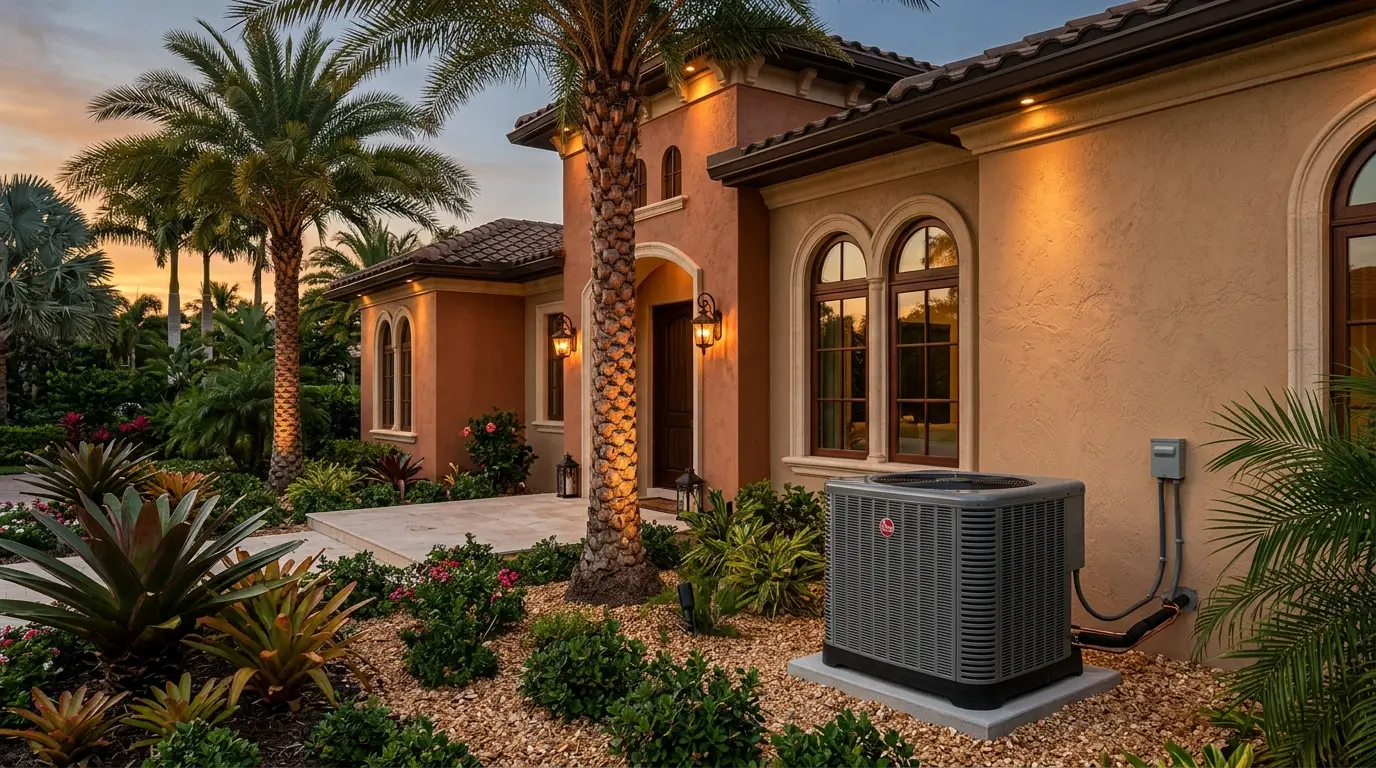
Cooling load isn't uniform across this region — a block home near the water in Jensen Beach gains and sheds heat differently than a two-story in Palm Beach Gardens or a ranch in Fort Pierce. We size the system to your home before we quote, so you're not paying to over-cool or fighting hot rooms after the install. With long, humid summers this far south, right-sized high-SEER2 equipment is what protects both your comfort and your power bill — and we handle permitting and haul-away so the changeover stays clean.
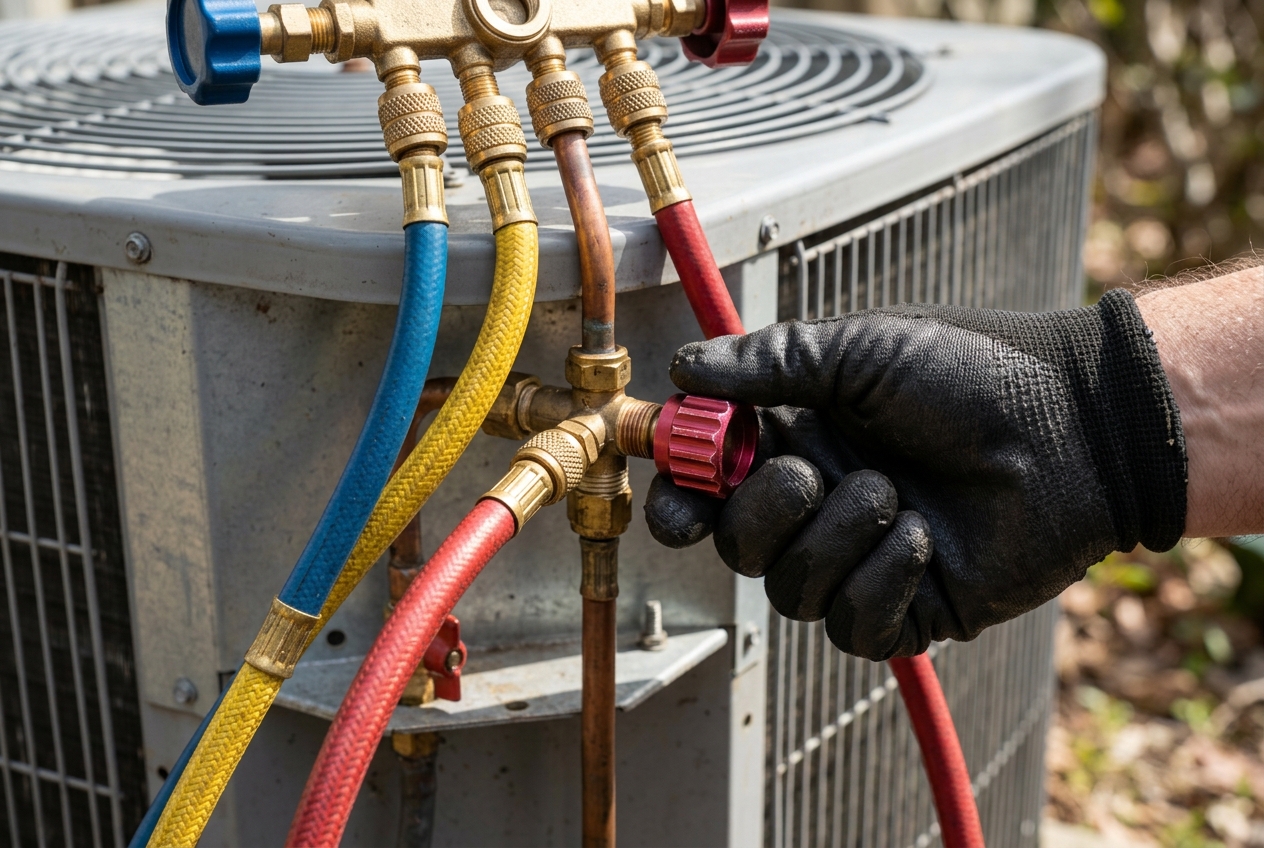
Professional Installation Protocols
10-Year Parts Warranty
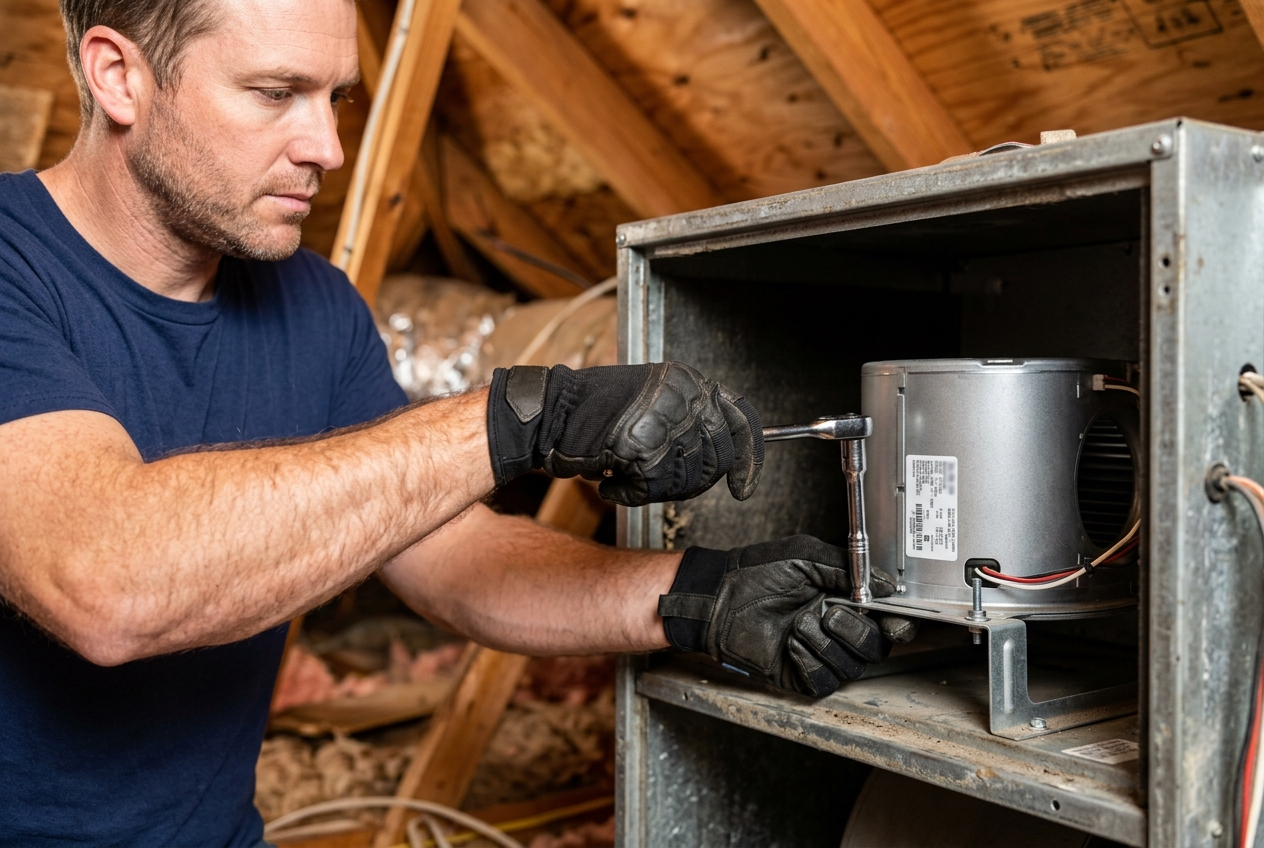
Every new HVAC installation includes a 10-year manufacturer warranty on parts (with standard registration within 60 days of install).
Request Your Free Estimate Today
Ready to upgrade your home comfort? Submit your details to request a free, upfront estimate for your AC installation. Prefer to talk it through? Our phones are answered 8 AM–7 PM daily.
Ductless Mini-Split Installation in Jupiter
Two things settle a Jupiter mini-split, the drain and the sun. In a room over a garage the drain looks after itself, with the refrigerant lines and condensate dropping together through the garage wall to a condenser at grade, which keeps the run short and the hardware off the front of the house. Put the head on an interior wall and there is no gravity path at all, so the job needs a condensate pump, with its discharge routed so a future blockage cannot stain the ceiling below. Then the sun decides where the head hangs: usually on the wall facing the hot west or south windows, so its air is thrown across the room toward the heat instead of away from it.
HVAC Equipment & Environmental Factors in Jupiter, FL
A new system in Jupiter should be matched to the home, and homes here run from Abacoa townhomes to Jupiter Inlet Colony estates, with very different needs. What most share is the climate: humidity that hangs on through much of the year and, closer to the inlet and the Loxahatchee River, salt in the air that works on outdoor equipment. How much of that salt reaches a given yard is worth knowing before anything is bought.
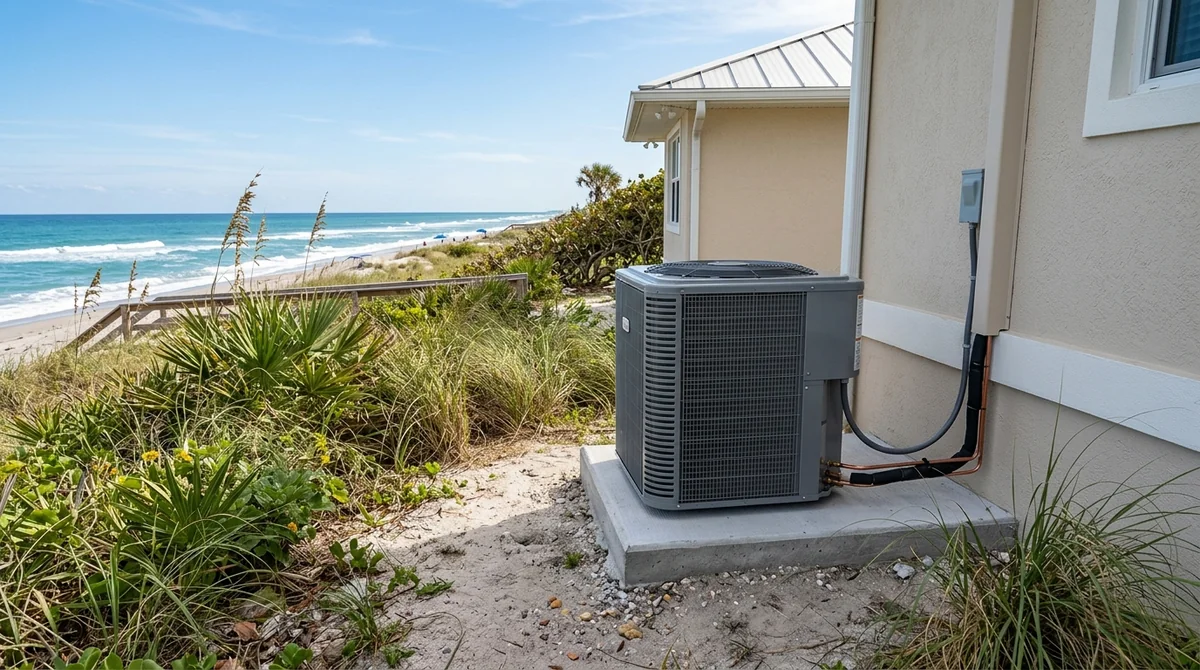
Coastal protection should follow exposure, not be assumed. Near the inlet, the Intracoastal or the beach, a factory-coated condenser coil, a corrosion-resistant cabinet and stainless exterior hardware can earn their added cost. Farther west, toward Jupiter Farms, that money often does more as efficiency. In Admirals Cove, Jonathan's Landing or Abacoa, the choice starts with where the unit sits.
🌊 Climate Reality Check: Coastal Salt-Air Defense
Salt carried in on the sea breeze settles on outdoor coils, fasteners and cabinets and slowly corrodes them. Rinsing the outdoor coil with fresh water helps, and coated coils and stainless hardware are worth asking about when a unit is replaced.
Frequently Asked AC Installation Questions
Common questions about AC replacement, SEER2, warranties and permits.
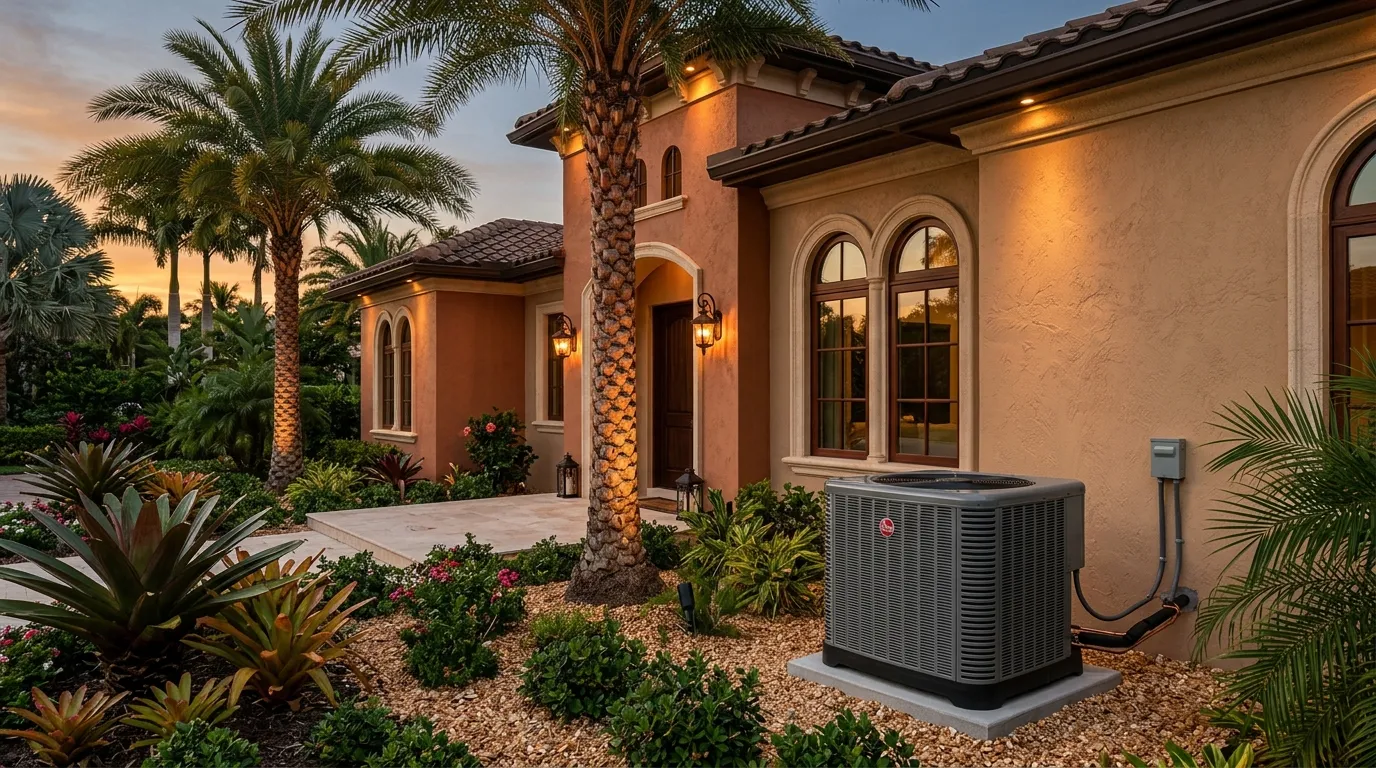
How do I protect a new outdoor unit near the Jupiter Inlet?
Rinse the outdoor coil gently with fresh water from a garden hose now and then, never with a pressure washer, and keep shrubs and mulch back from the cabinet so salt and debris have fewer places to collect. Keep up with tune-ups, since a coil rinse is part of every A/C Now tune-up, and register the new system with the manufacturer within 60 days of install to get the 10-year parts warranty.
How much does a full AC replacement cost in Jupiter?
A complete system replacement for a typical Jupiter home ranges from $6,500 to $12,000 depending on system size and efficiency tier. The estimate is free, and you have it in hand before any work begins.
Our Jupiter home's current condenser is on a pad with a decorative screen enclosure the previous owner built — the new unit is a different footprint. How do you handle that?
Decorative condenser enclosures look good, but they cause real airflow trouble once the equipment inside changes size. Most condensers pull air in through their sides and push it out the top, and every manufacturer lists minimum clearances around and above the unit. Check the new model's footprint and those clearance figures against the existing screen before the equipment is ordered, so you know whether the enclosure can stay, needs modifying or has to be rebuilt. If you live in an HOA community, ask the association what approval a change to the screen requires before any work on it starts.